
Transitioning to Door-to-Door Sales: A Guide for Pest Control Professionals


Understanding the Door-to-Door Sales Model
Transitioning to a door-to-door sales model can be a strategic move for pest control professionals seeking to expand their reach and personalize customer interactions. This approach allows for direct engagement with potential clients, enabling a more tailored service presentation. Unlike digital or telephonic methods, face-to-face communication can foster trust and facilitate immediate feedback.
Preparing Your Sales Team
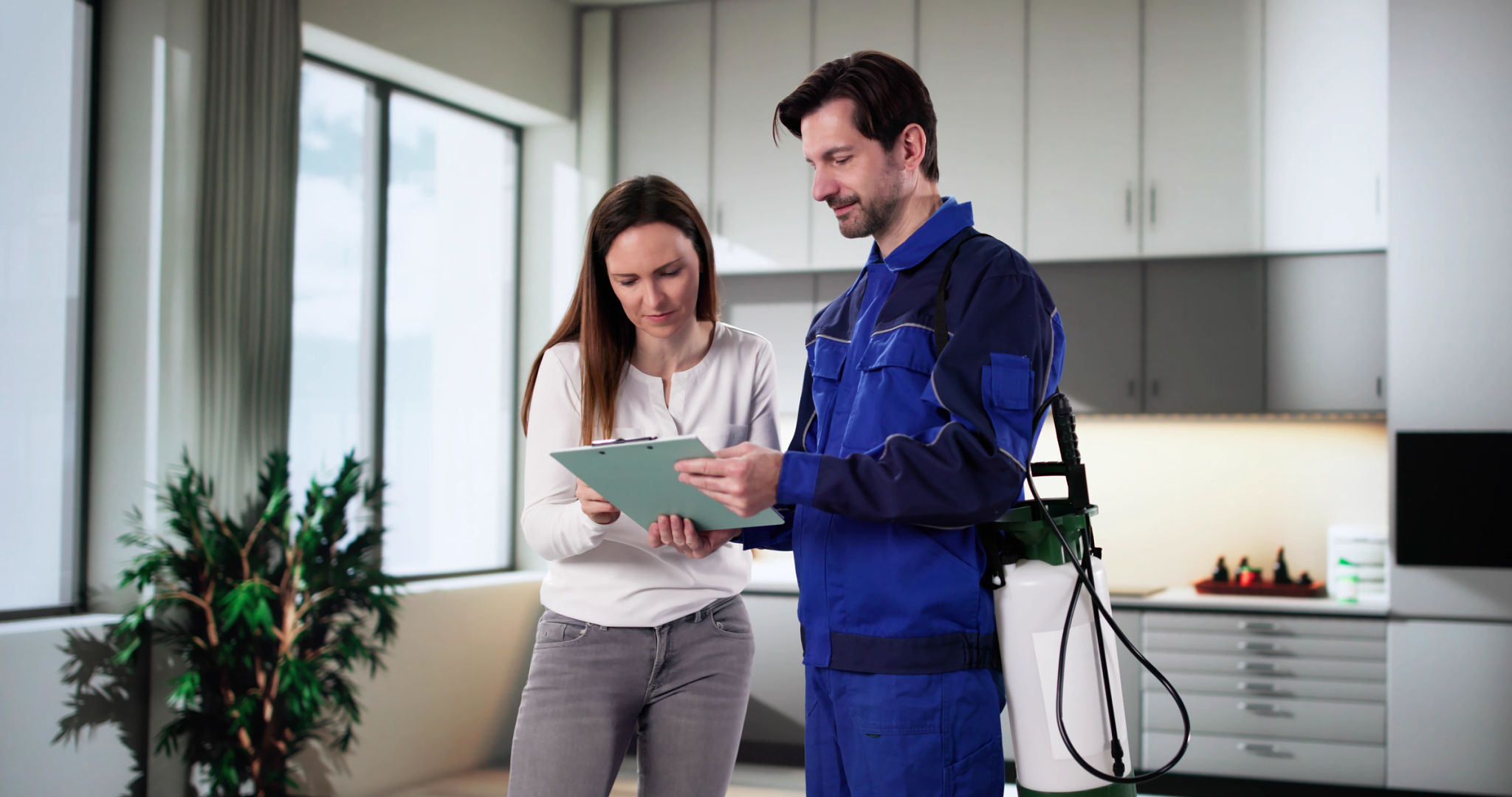
A successful transition begins with preparing your sales team. Training should focus on developing interpersonal skills, understanding customer needs, and effectively communicating the value of your services. Equip your team with detailed knowledge about pest control solutions, allowing them to confidently address any concerns or questions.
Role-playing exercises can be highly beneficial, simulating real-life scenarios to enhance their problem-solving abilities. Consider creating a script to guide conversations, but encourage flexibility to adapt to each unique interaction.
Crafting Your Sales Pitch
Your sales pitch is the cornerstone of door-to-door sales. It should be concise, engaging, and informative. Begin by introducing yourself and your company, then quickly address common pest issues in the area. Highlight your unique solutions and emphasize any special offers to captivate interest.

Building Trust with Prospects
Building trust is crucial in door-to-door sales. Dress professionally and ensure your team carries identification badges. Transparency about your services and pricing can alleviate skepticism, turning a cold lead into a warm prospect. Share success stories and testimonials to bolster credibility.
Moreover, respecting a prospect's time and property can make a significant difference. Always ask for permission before entering premises and be courteous throughout the interaction.
Leveraging Technology
Incorporating technology can enhance your door-to-door sales strategy. Utilize mobile apps for scheduling, route planning, and client management to streamline operations. Digital presentations or tablets can also be effective in showing potential clients visual evidence of pest issues and the benefits of your services.

Overcoming Challenges
Door-to-door sales come with their share of challenges, including rejection and weather conditions. Encourage resilience within your team by setting realistic goals and celebrating small victories. Regular feedback sessions can help address difficulties and improve techniques.
Staying adaptable is key. If a particular approach isn’t working, be open to modifying your strategy based on team feedback and customer interactions.
Measuring Success
Finally, measuring the success of your door-to-door sales efforts is essential for ongoing improvement. Track metrics such as the number of doors knocked, conversion rates, and customer feedback. Use this data to refine your approach and identify areas for growth.
By focusing on continuous development and adapting to changing circumstances, pest control professionals can effectively transition to and thrive in a door-to-door sales model.